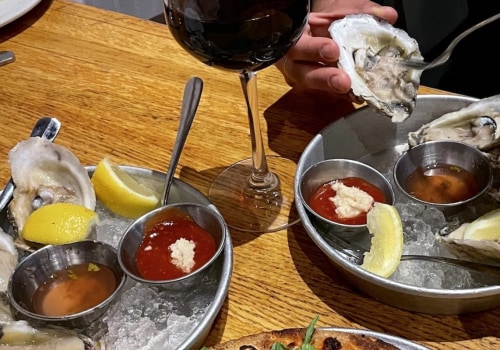
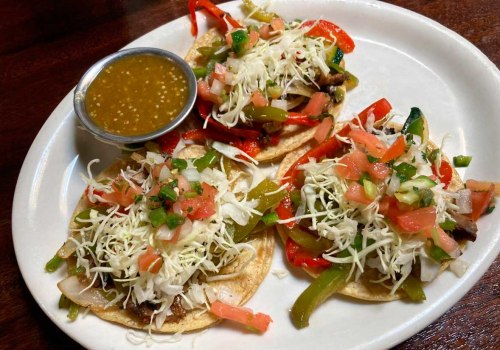
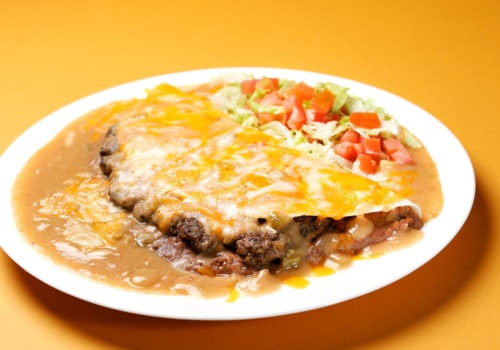
Mexican restaurant owners in Denver should know that opening a second location requires more than repeating the menu, décor, and service style that made the first restaurant successful. Expansion can be exciting, especially when a restaurant has built a loyal customer base around tacos, enchiladas, tamales, mole, pozole, handmade tortillas, aguas frescas, margaritas, or regional specialties, but a second location creates new operational, financial, legal, and staffing responsibilities. Owners must ask whether the original restaurant is stable enough to support expansion, whether management systems can be duplicated, and whether the new location will attract enough consistent traffic. Without careful planning, a second location can stretch resources too thin and weaken both restaurants instead of strengthening the brand.
Reviewing Location, Lease, and Market Fit
The choice of location is one of the most important decisions. Denver neighborhoods can differ widely in foot traffic, parking, nearby competitors, rent costs, customer expectations, delivery demand, and evening dining patterns. A lease should be reviewed carefully before signing because terms related to rent increases, build-out responsibilities, signage, patio use, kitchen ventilation, maintenance, utilities, renewal options, and early termination can affect long-term profitability. Owners should also consider whether the new space supports the same cooking methods, storage needs, equipment layout, and guest experience as the original location. A great concept can struggle if the physical space or lease terms do not match the restaurant’s needs.
Strengthening Legal and Operational Systems
Before expanding, owners should review contracts, insurance, employment policies, vendor agreements, licensing requirements, and safety procedures. A second location may require additional managers, cooks, servers, bartenders, delivery systems, inventory controls, and training standards. It may also involve new vendor routes, food safety documentation, liquor licensing considerations, and updated payroll systems. While restaurant expansion is different from injury-related legal work, firms such as Jordan Law Accident & Injury Lawyers reflect the broader importance of understanding responsibility, safety, and legal exposure when businesses serve the public and manage physical spaces. Strong legal and professional support can help owners reduce risk before problems appear.
Protecting Brand Consistency
Mexican restaurant owners should also protect the brand experience that customers already trust. Recipes, presentation, service tone, cleanliness, music, interior style, and hospitality should feel consistent without making the second location seem forced or disconnected from its neighborhood. Clear training materials and leadership expectations help ensure that customers receive the same quality at both locations.
Expanding With Long-Term Confidence
Ultimately, opening a second Mexican restaurant in Denver can be a strong growth move when owners prepare carefully. Expansion should be supported by financial planning, legal review, reliable management, strong vendor relationships, and a clear understanding of the new market. With the right structure in place, restaurant owners can grow their brand while protecting the quality, culture, and customer trust that made the first location successful.